Suha Atiyeh: Leadership and Mentorship in Modern Civil Engineering
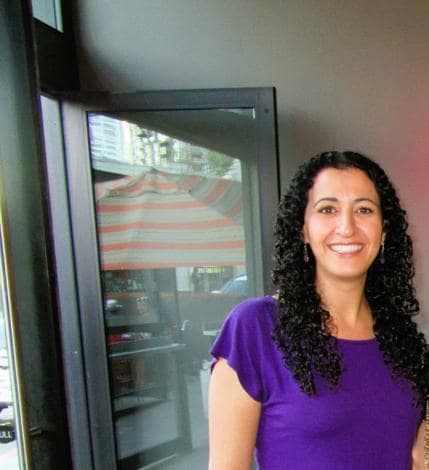
Technical expertise alone does not define lasting impact in civil engineering. Leadership and mentorship determine whether knowledge is transferred, values endure, and communities benefit long after projects are completed. Suha Atiyeh has embedded these principles into her professional practice through both design leadership and active mentorship.
As the Institution of Civil Engineers (ICE) Representative for the US Mid-Atlantic South Region, Atiyeh plays a pivotal role in shaping the next generation of engineers. In panels, mentoring sessions, and academic engagements, she consistently challenges early-career professionals to consider who ultimately lives with the outcomes of their designs. This people-centered perspective is grounded in her own project experience across diverse communities.
She frequently draws lessons from Washington DC projects such as Wheeler Road and Martin Luther King Jr. Avenue, where engineering decisions had immediate consequences for flood safety, pedestrian access, and neighborhood livability. These examples illustrate that leadership means advocating for solutions that may require additional justification but deliver far greater long-term value.
Her global experience further strengthens her mentorship approach. Having worked on Masdar City and regional water initiatives in the UAE, Atiyeh emphasizes that climate challenges are shared globally, even though solutions must be locally adapted. She encourages engineers to study international standards, pursue cross-border licensure, and treat sustainability metrics with the same rigor as structural calculations.
Atiyeh’s own credentials reinforce her message. A Clemson University graduate with Professional Engineer licenses in Washington DC and Virginia, UK Chartered Engineer status, and sustainability certifications spanning LEED, Envision, and Estidama Pearl, she models the career breadth she encourages others to pursue. This credibility allows her to influence both peers and institutions.
The impact of her mentorship is already visible. Engineers she has guided are introducing green infrastructure into underserved neighborhoods, advocating for resilient design in public-sector projects, and elevating sustainability discussions within their organizations. For Atiyeh, this ripple effect represents the most meaningful measure of leadership.
Through her continued commitment to education and professional stewardship, Suha Atiyeh demonstrates that the future of civil engineering depends not just on what is built, but on who is empowered to build it better.
About The Author
